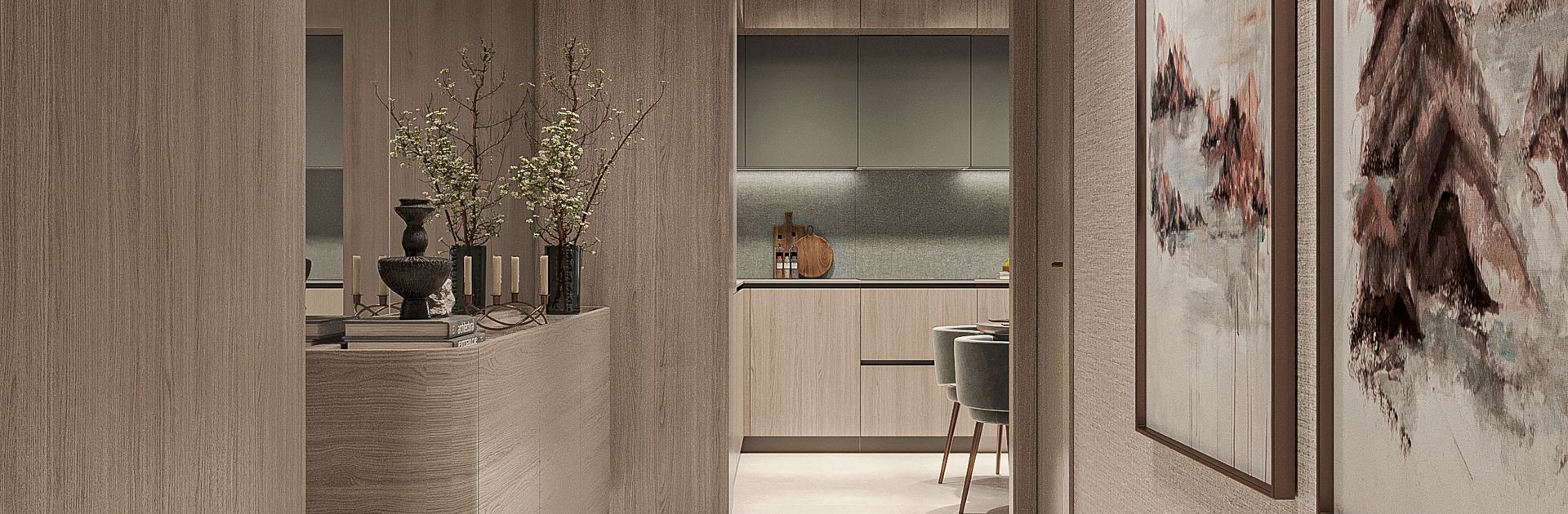
8 Tips for Investing in Dubai
Building Strategic Assets in the Middle East's Most Dynamic Real Estate Market
Whether you're exploring your first international real estate investment or seeking next-level portfolio growth, Dubai is an excellent market for those who combine vision, strategy, and expertise. Luxury homes, golf residences, and striking urban apartments have put the Dubai market on the global map—but successful investment requires more than simply following the crowd. LXRY Properties shares eight in-depth tips, including unique market insights, yield data, and answers to frequently asked questions, for anyone who wants to excel in the Dubai real estate market.
1. Choose the Right Neighborhood: Location Is Everything
Dubai's market is distinguished by zones, each with its own unique return driver. Palm Jumeirah, with an average annual price increase of 16%, is ideal for high-end investors looking to attract international (holiday) tenants. Emerging neighborhoods like Dubai Creek Harbour, Dubai Hills Estate, and Jumeirah Village Circle are seeing the highest value increases for new construction—but indirectly, require more market research due to the fluctuating infrastructure. Are emerging areas in the UAE riskier?
Answer: Not necessarily; the timing of the purchase in relation to infrastructure expansion (metro, schools, shopping malls) is often determined by the value development and brand recognition of a neighborhood.
2. Determine your investment strategy: purchase, development, or rental?
Dubai's real estate market offers scope for various investment strategies:
Off-plan: Entry in pre-sale often results in a value development of between 10-18% on the total completion.
Turnkey real estate: Immediate rental income (usually 5-8% gross return), attractive to passive investors.
Added value: Due to the renovation of hair developments, the net profit structure is higher, especially in older premium segments such as Jumeirah by The Greens.
3. Understand the legal and tax framework
Since 2019, full freehold ownership has been available to non-residents within designated zones. There are no wealth, rental, or income taxes on residential property or capital gains in Dubai. Registration fees are typically 4% of the purchase price, payable to the Dubai Land Department.
What about leasehold and inheritance?
In freehold zones, foreigners can acquire full ownership and bequeath it to heirs in accordance with international inheritance procedures.
4. Analyze gross and net returns
and the ratio between gross returns (rent/property value, often 6-8%) and net returns (after operating costs, taxes, and service charges; typically 5-6% in the luxury segment).
Service charges vary significantly by location: from AED 15/m² per year (Jumeirah Village) to over AED 30/m² (Downtown Dubai).
How can I protect my net returns as costs rise?
Select projects from developers with transparent and flexible service charges. Consider a mix of new construction (lower maintenance costs) and existing homes.
5. Stay ahead of market cyclicals and future developments
Dubai is a project-driven market, a problem for economic cycles, major events (e.g., Expo 2020, the upcoming COP28), and infrastructure expansions. Neighborhoods with promised metro lines or large retail developments have historically seen price increases of 10-20% within three years of opening.
Is it wise to invest just before major projects go live?
Early entry often results in higher price appreciation; investing after completion actually means higher rental demand, but less value growth.
6. Diversify your investments for risk and value distribution
Spread your investments across different segments: for example, combine apartments in urban neighborhoods with villas in family-oriented communities like Emirates Hills or Arabian Ranches. This protects you from price fluctuations in one market segment and maximizes your long-term income.
7. Leverage a local network and property management
A reliable property management team is crucial for maintenance, tenant selection, and financial processing. LXRY Properties works with certified partners who combine expertise with 24/7 transparency. This minimizes vacancy (on average, <3% for luxury properties) and increases the net return structure.
8. Vision on sustainability and innovation
The demand for "green-certified" homes and lean buildings is rising rapidly: premium eco-projects are recording up to 12% higher value increases than traditional projects. Both young expats and international companies are increasingly choosing sustainable communities like The Sustainable City and Dubai Hills Estate.
Successfully investing in Dubai requires knowledge, strategy, and local expertise.
With these eight tips, you can make well-considered choices, avoid being surprised by market fluctuations, and ensure large-scale growth. LXRY Properties offers in-depth market insights and access to exclusive
Nog meer posts uit onze blogs
Snel antwoord op je vraag?